Indoor Air Quality Testing for Richmond Properties and Surrounding Areas
Indoor air quality testing plays a critical role in protecting the health, comfort, and value of properties in Richmond and surrounding areas. Homes and commercial spaces across nearby communities experience changing weather, construction growth, and increased indoor living time, all of which can affect air quality. Testing identifies hidden pollutants, supports healthier living, and helps property owners make informed decisions to improve indoor environments.
Why is indoor air quality testing important for properties?
Indoor air quality testing is important because indoor air can contain pollutants that are not visible or easily detected. Dust particles, allergens, mold spores, and chemical vapors can circulate indoors and gradually affect breathing, sleep quality, and overall wellness. Testing provides clear data about what is present in the air, allowing property owners to address issues before they become serious health or structural concerns.
How does indoor air quality affect health and daily comfort?
Poor indoor air quality can lead to headaches, allergies, fatigue, respiratory irritation, and difficulty concentrating. Long-term exposure may worsen asthma or other respiratory conditions. Clean and balanced indoor air improves sleep, reduces allergy symptoms, and creates a more comfortable indoor atmosphere for families, employees, and visitors.
What common pollutants are found during air quality testing?
Air quality testing commonly detects mold spores, pollen, dust mites, volatile organic compounds, carbon monoxide, and excessive humidity-related contaminants. These pollutants often originate from building materials, cleaning products, moisture intrusion, or poor ventilation. Identifying the specific contaminants helps in choosing targeted solutions rather than relying on guesswork.
When should a property owner consider air quality testing?
Air quality testing is recommended when occupants experience unexplained health symptoms, after water damage, during property transactions, or following renovations. It is also useful for older buildings and properties located in developing communities where construction dust and environmental changes may influence indoor air conditions.
How does testing support property value and real estate decisions?
Indoor air quality testing supports property value by documenting a healthy indoor environment. Buyers and tenants are increasingly aware of air quality issues, and testing results provide reassurance. Addressing air quality concerns early can prevent costly repairs and strengthen confidence during property sales or leasing processes.
What is the indoor air quality testing process like?
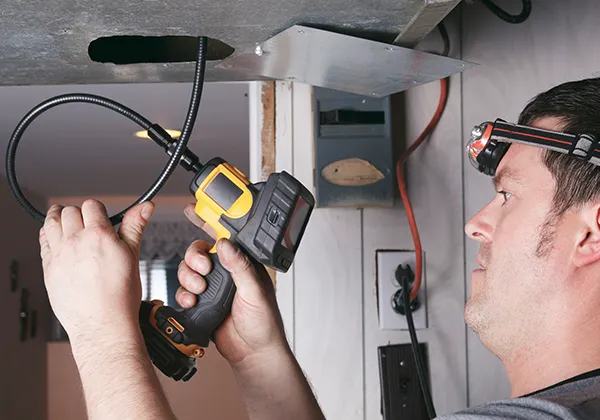
The testing process typically involves collecting air and surface samples, measuring humidity levels, and evaluating ventilation performance. Samples are analyzed to identify pollutants and their concentrations. The final report explains findings in simple terms and outlines recommended improvements to enhance indoor air quality.
How do surrounding communities benefit from regular air testing?
Properties in surrounding communities benefit from regular air testing because environmental conditions often overlap across neighborhoods. Seasonal humidity, regional allergens, and nearby development can impact multiple areas simultaneously. Proactive testing helps maintain consistent indoor comfort and health standards across residential and commercial properties.
Can air quality testing help with allergy and asthma management?
Yes, air quality testing helps identify triggers that worsen allergies and asthma. By pinpointing allergens and irritants, property owners can improve filtration, control moisture, and adjust ventilation. These changes often lead to noticeable relief for occupants who are sensitive to airborne pollutants.
How does air quality testing guide improvement solutions?
Testing results guide practical solutions such as improved ventilation, air purification, moisture control, and material upgrades. Instead of applying general fixes, property owners can focus on the specific causes affecting their indoor air, resulting in more effective and long-lasting improvements.
Why is professional air quality testing more reliable than DIY methods?
Professional testing uses calibrated equipment and laboratory analysis, providing accurate and detailed results. DIY kits may offer limited insight and can miss hidden or intermittent pollutants. Professional assessments ensure reliable data that supports informed decisions and proper remediation strategies.
Final Thoughts
Indoor air quality testing is a valuable investment for property owners who want healthier, more comfortable, and more resilient indoor environments. By understanding what is in the air and addressing issues proactively, properties across Richmond and surrounding areas can maintain better living and working conditions while protecting long-term property value.
What does indoor air quality testing measure?
It measures airborne pollutants, humidity levels, and ventilation effectiveness to assess overall indoor air conditions.
Is air quality testing necessary for new buildings?
Yes, new buildings can contain chemical emissions from materials and furnishings that affect indoor air quality.
How long does an air quality test take?
Most tests can be completed within a few hours, with laboratory results available shortly after sampling.
Can testing improve energy efficiency?
Yes, identifying ventilation and moisture issues can help optimize airflow and reduce energy waste.
How often should indoor air quality be tested?
Testing is recommended every few years or whenever there are health concerns, renovations, or moisture-related issues.