Indoor Air Quality Solutions for Energy Efficiency in Richmond, TX and Surrounding Areas
Ensuring clean and healthy indoor air is essential for every home and business in Richmond, TX, as well as nearby communities like Rosenberg, Sugar Land, Katy, Fulshear, and Simonton. Improving indoor air quality (IAQ) not only promotes better health but also helps reduce energy consumption, lowering utility bills while maintaining a comfortable living environment. From modern filtration systems to energy-efficient ventilation, homeowners in Fort Bend County can enjoy a healthier, more efficient indoor space.
How does indoor air quality affect energy efficiency in Richmond, TX?
Poor indoor air quality can force HVAC systems to work harder, consuming more energy to maintain comfortable temperatures. By improving IAQ through proper filtration, ventilation, and regular maintenance, homeowners in Richmond, Rosenberg, and Sugar Land can optimize HVAC efficiency. Cleaner air reduces strain on systems, lowering energy bills while keeping indoor environments safe and healthy.
What are the most effective ways to improve indoor air quality at home?
The most effective solutions include using HEPA air filters, installing air purifiers, sealing leaks in ducts, and maintaining proper ventilation. Homes in Katy, Fulshear, and Simonton benefit from these measures, which help remove allergens, dust, and pollutants, while also supporting energy-efficient HVAC operation.
Can regular HVAC maintenance improve both air quality and energy efficiency?
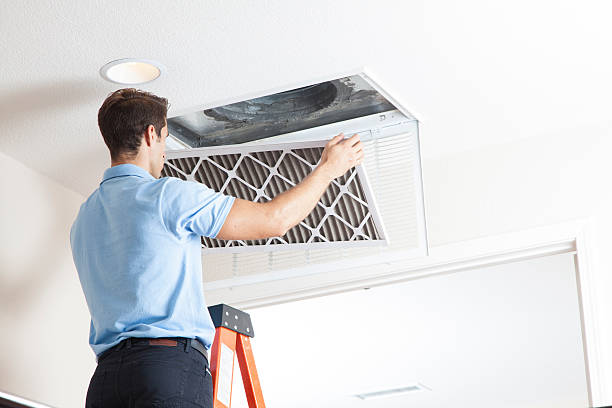
Absolutely. Routine inspections, filter replacements, and duct cleaning in areas like Rosenberg and Sugar Land keep HVAC systems running efficiently. A well-maintained system circulates cleaner air and reduces energy consumption, protecting both the environment and your wallet.
How do air purifiers contribute to energy savings?
Air purifiers remove airborne particles like dust, pollen, and smoke, reducing the workload on HVAC systems. Residents in Richmond and nearby Fulshear notice a difference in indoor comfort and lower energy usage when incorporating high-quality air purifiers into their homes.
Is ventilation important for indoor air quality and energy efficiency?
Yes, proper ventilation ensures a steady flow of fresh air while preventing excess humidity and indoor pollutants. Homes in Katy and Simonton benefit from balanced ventilation systems that maintain IAQ without unnecessarily increasing heating or cooling costs.
What role do smart thermostats play in energy-efficient air quality management?
Smart thermostats help regulate temperature and airflow efficiently, complementing IAQ solutions. In Sugar Land and Rosenberg, they can automatically adjust HVAC settings based on occupancy, reducing energy consumption while maintaining a clean, comfortable indoor environment.
How can homeowners in Richmond, TX manage humidity for better air quality?
Using dehumidifiers and moisture control systems prevents mold growth and reduces allergens. Proper humidity management in Richmond, Katy, and Fulshear not only improves health but also allows HVAC systems to operate efficiently, minimizing energy waste.
Are there eco-friendly products that improve IAQ and save energy?
Yes, energy-efficient HVAC units, low-VOC paints, and natural filtration systems help maintain clean air while reducing electricity usage. Homeowners in Simonton and Rosenberg can adopt these solutions to make their homes healthier and more sustainable.
How often should air filters be replaced for optimal performance?
Air filters should typically be replaced every 1–3 months, depending on usage and local air conditions. In Richmond and surrounding areas, timely filter changes keep air clean, prevent HVAC strain, and maintain energy-efficient performance.
Can indoor plants help with air quality and energy efficiency?
Certain indoor plants naturally filter air by absorbing pollutants and releasing oxygen. Placing these plants in homes in Katy, Sugar Land, and Fulshear enhances indoor air quality while promoting a fresher, more energy-efficient environment.
Final Thought
Maintaining indoor air quality in Richmond, TX and surrounding towns is a key step toward healthier living and energy efficiency. By combining modern filtration, proper ventilation, humidity control, and smart energy solutions, homeowners can enjoy cleaner air, lower utility bills, and a more comfortable home environment. Taking proactive steps now ensures long-term benefits for your health, wallet, and property.

What is the main cause of poor indoor air quality?
Indoor air can be polluted by dust, allergens, pet dander, mold, and chemical fumes from household products, which reduce comfort and energy efficiency.
Can IAQ solutions reduce utility bills?
Yes, improving indoor air quality reduces HVAC workload, resulting in lower energy consumption and savings on heating and cooling costs.
Do all HVAC systems need upgrades for better air quality?
Not necessarily; regular maintenance, filter changes, and adding purifiers or ventilation systems are often sufficient for many homes.
Are there local IAQ services in Richmond and nearby towns?
Yes, many service providers in Rosenberg, Sugar Land, Katy, Fulshear, and Simonton specialize in HVAC maintenance, air filtration, and energy-efficient solutions.
How often should air ducts be cleaned?
It is generally recommended every 3–5 years, or sooner if you notice dust buildup, mold, or odor issues.