Affordable Indoor Air Quality Solutions in Richmond, TX and Surrounding Areas
Indoor air quality plays a major role in comfort, health, and energy efficiency for homes in Richmond, TX and surrounding areas. Poor air quality can lead to allergies, respiratory discomfort, and unpleasant odors. Affordable indoor air quality solutions help homeowners breathe cleaner air while maintaining a healthy and comfortable living environment without excessive costs.
What Is Indoor Air Quality and Why Does It Matter?
Indoor air quality refers to the cleanliness and health of the air inside a home. Pollutants such as dust, allergens, mold spores, pet dander, and volatile organic compounds can accumulate indoors. Poor air quality can affect breathing, sleep quality, and overall well-being. Improving indoor air quality reduces health risks and enhances everyday comfort.
What Are the Most Common Causes of Poor Indoor Air Quality?
Common causes include inadequate ventilation, dirty air filters, humidity imbalance, mold growth, and buildup of airborne particles. Household activities such as cooking, cleaning, and using chemical products can also release pollutants. Identifying these sources is the first step toward effective air quality improvement.
How Can Air Filtration Systems Improve Indoor Air Quality?
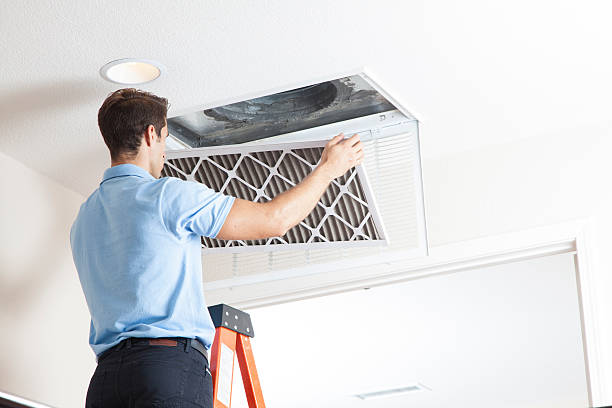
Air filtration systems capture airborne contaminants and prevent them from circulating throughout the home. High-efficiency filters remove dust, pollen, and other particles that trigger allergies. Affordable filtration upgrades improve air cleanliness without major system changes, making them a practical solution for many homeowners.
How Does Proper Ventilation Enhance Indoor Air Quality?
Ventilation replaces stale indoor air with fresh outdoor air, reducing pollutant buildup. Proper airflow helps control moisture levels and removes odors. Improved ventilation solutions balance energy efficiency with air freshness, ensuring healthier indoor environments year-round.
Why Is Humidity Control Important for Clean Indoor Air?
Excess humidity promotes mold growth and dust mites, while overly dry air can irritate skin and airways. Maintaining balanced humidity levels improves comfort and prevents air quality problems. Affordable humidity control solutions support healthier air and protect home structures.
How Do Duct Cleaning and Maintenance Improve Air Quality?
Air ducts collect dust, debris, and allergens over time. When HVAC systems operate, these contaminants circulate throughout the home. Professional duct cleaning removes buildup and improves airflow, resulting in cleaner air and better system efficiency.
Can Indoor Air Quality Solutions Reduce Allergy Symptoms?
Yes, effective air quality improvements reduce airborne allergens that cause sneezing, congestion, and respiratory irritation. Clean filters, proper ventilation, and humidity control work together to create a healthier living space, especially for individuals with allergies or asthma.
How Do Affordable Solutions Compare to High-End Air Systems?
Affordable indoor air quality solutions focus on targeted improvements rather than full system replacements. These options deliver noticeable benefits at lower costs while maintaining effectiveness. Strategic upgrades provide clean air without unnecessary expenses.
How Can Better Indoor Air Quality Improve Energy Efficiency?
Clean air systems allow HVAC equipment to operate more efficiently by reducing strain caused by clogged filters or restricted airflow. Improved efficiency lowers energy consumption and reduces utility bills while maintaining comfort.
When Should Homeowners Consider Professional Indoor Air Quality Services?
Professional services are recommended when homes experience persistent odors, allergy symptoms, moisture issues, or uneven airflow. Experts assess air quality and recommend affordable, customized solutions that address specific needs effectively.
Final Thoughts
Affordable indoor air quality solutions help homeowners in Richmond, TX and surrounding areas enjoy cleaner, healthier air without overspending. From filtration and ventilation to humidity control and duct maintenance, targeted improvements enhance comfort, health, and energy efficiency. Investing in air quality is an investment in long-term well-being and home performance.

How often should air filters be replaced?
Most filters should be replaced every one to three months depending on usage and air quality conditions.
Can indoor air quality affect sleep quality?
Yes, clean air supports better breathing and more restful sleep.
Do air quality solutions require major renovations?
Many improvements can be made without major changes to existing HVAC systems.
Can poor air quality impact children and elderly individuals more?
Yes, vulnerable individuals are more sensitive to airborne pollutants.
Is improving indoor air quality expensive?
Affordable solutions are available and can be tailored to fit most budgets.